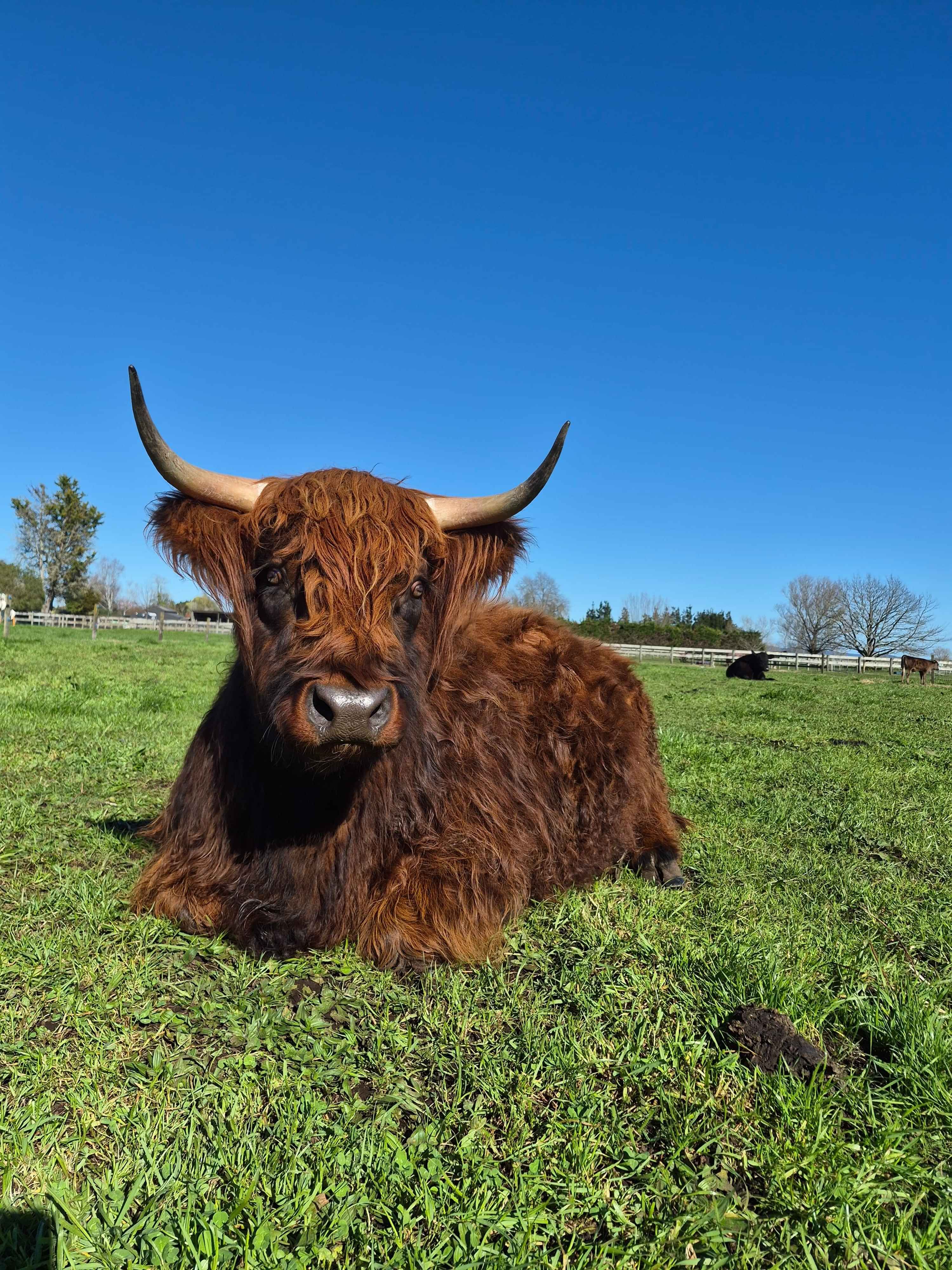
Highland Cattle
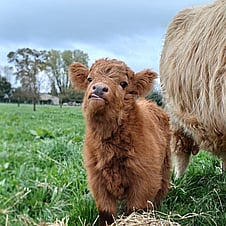
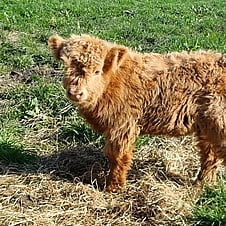
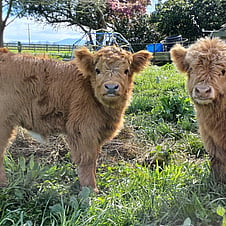
Miniature Highlands are a delightful breed of cattle that have gained popularity for their friendly disposition and distinctive appearance. Originating from Scotland, these small but sturdy animals are well-suited for a variety of farming settings, including small-scale and family farms.
Key Features:
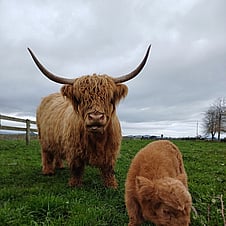
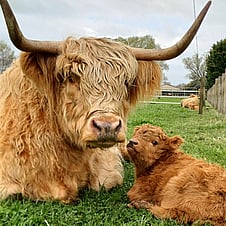
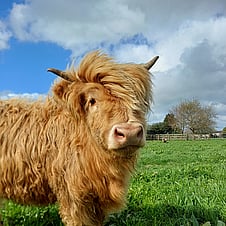
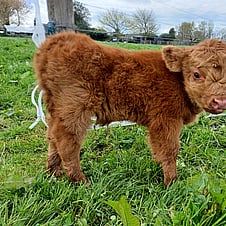
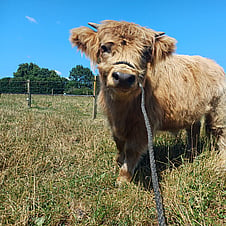
Appearance: Miniature Highlands are characterized by their long, wavy coats, which can be a range of colors, including black, red, and brindle. Their long horns and shaggy fur give them a unique and endearing look.
Temperament: Known for their gentle and calm demeanor, Miniature Highlands are friendly and easy to handle, making them great companions and suitable for families.
Size: As the name suggests, they are smaller than traditional Highlands, making them more manageable for smaller properties and easier for visitors to interact with.
Low Maintenance: Their hardy nature means they are generally low-maintenance, requiring less intensive care than some other breeds.
About Ralph Ranch Calves
At Ralph Ranch, we don't just breed Miniature Highland cattle—we raise calm, well-socialised calves that are set up for success. With over 10 years of Highland breeding experience and 20 years working with cattle, our focus is on temperament, health, and providing lifelong support to every new owner. From carefully selected genetics and daily handling to structured training and comprehensive after-sales guidance, we are committed to producing quality calves that become enjoyable, stress-free additions to your family or farm.
Our Breeding Program
Temperament is number one priority in our breeding program
We have 10 years experience with Highland cows and 20years with cattle.
Our cows are non chondro and measure around 110cm
Our bull is Chondro Positive (dwarf gene) measuring at 105cm.
We expect 50% chondro to non chondro meaning half and half miniature (>107cm) and mid-sized (108 to 115cm)
We can provide bloodline details on our cattle.
Training our calves
Small herd on a home farm so they are handled almost daily and they participate in farm tours
Calves participate in farm tours so become well versed in being around a variety of people
From 3 months we start halter training which focus's on stand tied for brushing and basic leading
From weaning we solidify their paddock trained to ensure they come for treat buckets and can be patted in the opening paddock, often our calves are well an truely paddock trained by then as they participate in our farm tours, but we work on any that need a bit more support
Our calves on on their mums for 6 months which helps to create wonderful temperament, the training that we humans just can't compete with, where they learn to be calm and respectful of humans and other cattle
Supporting you
Pre Purchase visit - come and meet our herd before committing to make sure they are right for you
Set up support - once a deposit is paid we are happy to remotely support any questions you have in regards to getting ready for you new calf/calves
Half day hand of training on collection - get hands on with their training so the transition is smooth
Settling in remote support - we ensure we are available over the first few weeks for quick responses of any questions you have, we also welcome sending us videos of anything you need suggestions on managing
Remote life time support - any questions we are contactable
Calf Healthcare
Weaning at 6 months to ensure a well grown healthy calf
Chondro tested so you know what height range to expect
Mums are 10n1 vaccinates and Rotovac to ensure calves have strong immunity from colostrum
10n1 Vaccinated (initial and booster)
Drenching up to date
B12 injection given (Waikato soils are low in B12)
Multimin injection at weaning to ensure a great mineral balance and transition to grass
Bulls are all steered (castrated), unless secured as a bull
Pricing and Agreements
Prices
Chondro Miniatures - Steers & Heifers $5,175 ($4,500+GST)
Non-Chondro Mid-Miniature - Heifers $4,025 ($3,500+GST)
Non-Chondro Mid-Miniature - Steers $2,875 ($2,500+GST)
Pricing is subject to change and there is some variability based on the heights of the mothers
Agreements
All calves come with a first right of refusal to buy back if you need to sell (we would also assist with resale)
Our chondro-miniature heifers come with non-breeding contracts
Our non-chondro heifers and bulls come with a breeding support agreement to ensure correct breeding and bloodlines are managed.
Book a Pre Purchase Visit
Thinking about owning a Highland cow? Our Pre-Purchase Visit is a tour designed for anyone considering Highland ownership, whether you’re hoping to buy from us or looking at calves elsewhere. Come and get a feel for what it’s really like to have Highlands on your property, ask all your questions, and learn what’s involved before making a commitment.
We’ll also help you understand what to look for when buying a miniature Highland, so you can make an informed decision if you find calves available elsewhere before we have stock. Our goal is to help you buy with confidence and avoid ending up with a calf that grows into something you weren’t expecting or can’t manage.
Please note:
If you purchase a calf from us, we’ll credit your visit towards your calf purchase.
A pre-purchase visit does not mean we have calves available.
Our waiting list still applies, and there may be a wait before a calf becomes available.
You’ll still need to be approved through our application process before purchasing from us.
Join the Waitlist
Ready to start the process of owning your own Highland from Ralph Ranch? Complete our application form to be considered for our waiting list. We recommend booking a Pre-Purchase Visit as well, so you can learn more about Highland ownership, see what’s involved first-hand, and make sure they’re the right fit for you and your property.
Our application process helps us make sure our calves are going to suitable homes with owners who understand what’s involved in keeping cattle. Applying doesn’t automatically secure a place on the waiting list — we’ll review your application and, if you’re a good fit, let you know the next steps. You can apply even while you’re waiting for calves to become available.
Please note:
Completing an application does not guarantee a place on the waiting list.
We’ll review your application and make sure you and your property are a good fit for cattle.
Submitting an application does not mean calves are currently available.
Due to current demand, our waiting list is currently a few seasons long.
Your Questions Answered
What height do your calves grow to
Our chondro carrier calves are expected to stay under 107cm (the height guideline for miniature highlands, and our non chondro calves are considered mid miniature or we call them standard height, these are estimated between 108 to 120cm. We do our best to estimate sizes and variations based off parent sizes (see their profiles) and past calves height check ins. There will always be natural variation but we do our best.
What is Chondro and non-chondro?
Chondro is a gene that is a type of dwarfism which reduces the mature height by give or take 5cm giving the stocky looking stout bodies. Our bull is a carrier of the Chondro gene where all our cows are non carriers. This our chosen method of breeding with the risk of bulldogism when two copies of the gene are presented.
How much land does a miniature highland need?
This isn't a simple fire question as every region is different, every landscape is different, every style of grazing is different. It also isn't directly about space to number of animals, there is more of a focus on the time the grass can rest and grow for, the goal being that you can rest a paddock for 35 days before the cows come back to it. we do not recommend set stocking (not moving them), they will eat more than they need and don't love eating the grass they have walked and peed over, it also increases the rate of worms etc.
As a very very base guide we would say 1ha of good growing land for 2 cows, broken into 4 to 5 paddocks, with break fencing gear to distribute feed, also with the ability to either harvest hay/silage in spring to feed out in summer/winter and/or being organised to buy in feed for summer/winter to meet the demand when growth is lower.
What facilities are recommended to have?
Yards/Race - while you may not need this often you will need it if they ever need a vet or if they need more hands on routine care e.g. hoof trimming, b12 etc
Shade - this is a must for highland cattle, they are very prone to heat stress so need shade, the best shade is actually natural shade from large trees, followed by shade sails, both allow air flow and breeze, shed are also great but can heat up more, they're also more expensive to set up. Highlands rarely use shed for rain shelter they are made for the snow so they genuinely love the crisp weather.
Sturdy Water Troughs - we recommend concrete troughs or well secured plastic troughs, highlands love to rub on troughs (natural instinct to remove knots), they can also be playful with their horns to inanimate objects, so relying on portable troughs is not a great plan with highlands.
Good Fencing - any type of fencing works it just needs to be strong or electric!
Multi tape break fencing standards - these are super helpful if you get a cheeky escaper - highlands horns are insulated so they can learn to lift a single tape, fixing this behavior promptly will save you a lifetime of trouble
What are some key difference between highlands and other cows
Shaggy coats
Massive horns
Thicker leather skin to regular cows
Horns are used for heat regulation
They take 3 years to reach maturity (standard cow 2yrs)
Though not always, it is not uncommon for heifers to not cycle until 18 months
Can we buy a bottle fed calf?
The short answer is no. The long answer is highlands do better when raised on their mothers due to the slower maturity of highlands they just need alot more high quality nutrition to thrive. There is also fundamental learning they get from their mothers which teaches them to have alot more respect for humans.
What routine healthcare do they need?
Highlands are very hardy and low maintenance, organic and low input systems often work well for them.
Hoof trimming - highlands are designed to clim hills so their hoof grow faster than standard cattle to compensate for this, if you have flat land this is something you would need to consider from 2yrs oldand can need doing annually. if you are hillier, rockier etc they may break off / wear more naturally so something that could just be done as needed.
Worm Management - Highlands are pretty worm resistant, monitoring with FEC or visiual signs and drenching as needed or a regular organic system usually works well. Where exposure is higher e.g. next to another larger farm, then a drenching program may be more effective.
Lice Management - lice in highlands is horrible! Prevention is key, an organic system can still work well, paired with low exposure, also drenching incoming stock before introducing them to your herd is beneficial. If you see signs of excessive rubbing a drench is routine follow up is needed to get them undercontrol.
I am considering breeding, what do I need to know?
Firstly it is important to understand breeding miniatures is not as simple as putting two miniature s in a paddock together.
AGE: Highlands being slow maturing should not be run with a bull until they are around 27months old so they are calving around 3yrs of age.
BULLDOG CALVES: Breeding Miniature to Miniature could mean you are breeding chondro to chondro, this can result in 25 % of the calves having bulldogism (non viable).
SIZE: Consideration to size, even miniatures can throw larger calves (50% chance of miniature), so you need to be experienced in assisted calving and have the correct facilities.
NZ GENEPOOL: The gene pool in NZ is very small with very little tracking when you venture into miniature highlands. It is important to avoid inbreeding to prevent health issues arising as well as "that inbreed look".
BULLS: before jumping in do you want to own one, is there anyone near you with one you could hre etc
SEMEN and AI: the semen selection in NZ for miniature highlands is small and AI can be costly
Our recommendation is actually to buy midsized non chondro cows(110cm), and breed to a minature chondro bull, this solves the above, not breeding chondro to chondro, mums can handle the 50% non miniature calves and have less calving risk.
With our breeding stock we do include a breeding support communication line to help avoid disaster with choosing the wrong breeding mate, getting timing wrong etc.
Can a highland live with my other farm animals?
First things first, highlands do need a friend of their own species so you do need to own two cows, these do not need to both be highlands, but just be aware of running horned and non horned cattle to gether.
Sheep; run well together with cattle, they have similar mineral requirements and grazing works well together. be mindful around feeding as mature cattle can "flip" sheep if they want the food more, this is simply managed by feeding cattle first or having a creep area to feed sheep where cattle can't access.
Horses/Donkeys; we don't recommend running with highlands due to the different reactiveness, and the risk horns could pose to them if they did disagree on who gets the best bit of hay.
Goats; these can run with cattle fine, but be aware of different mineral requirements and different worm burden risks, so careful management should be considered.
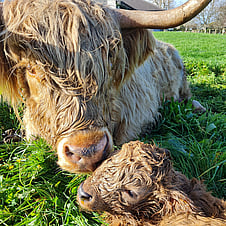
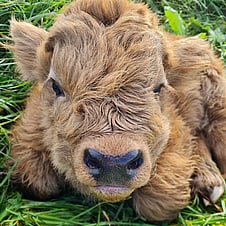
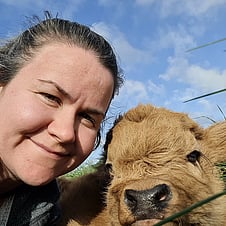
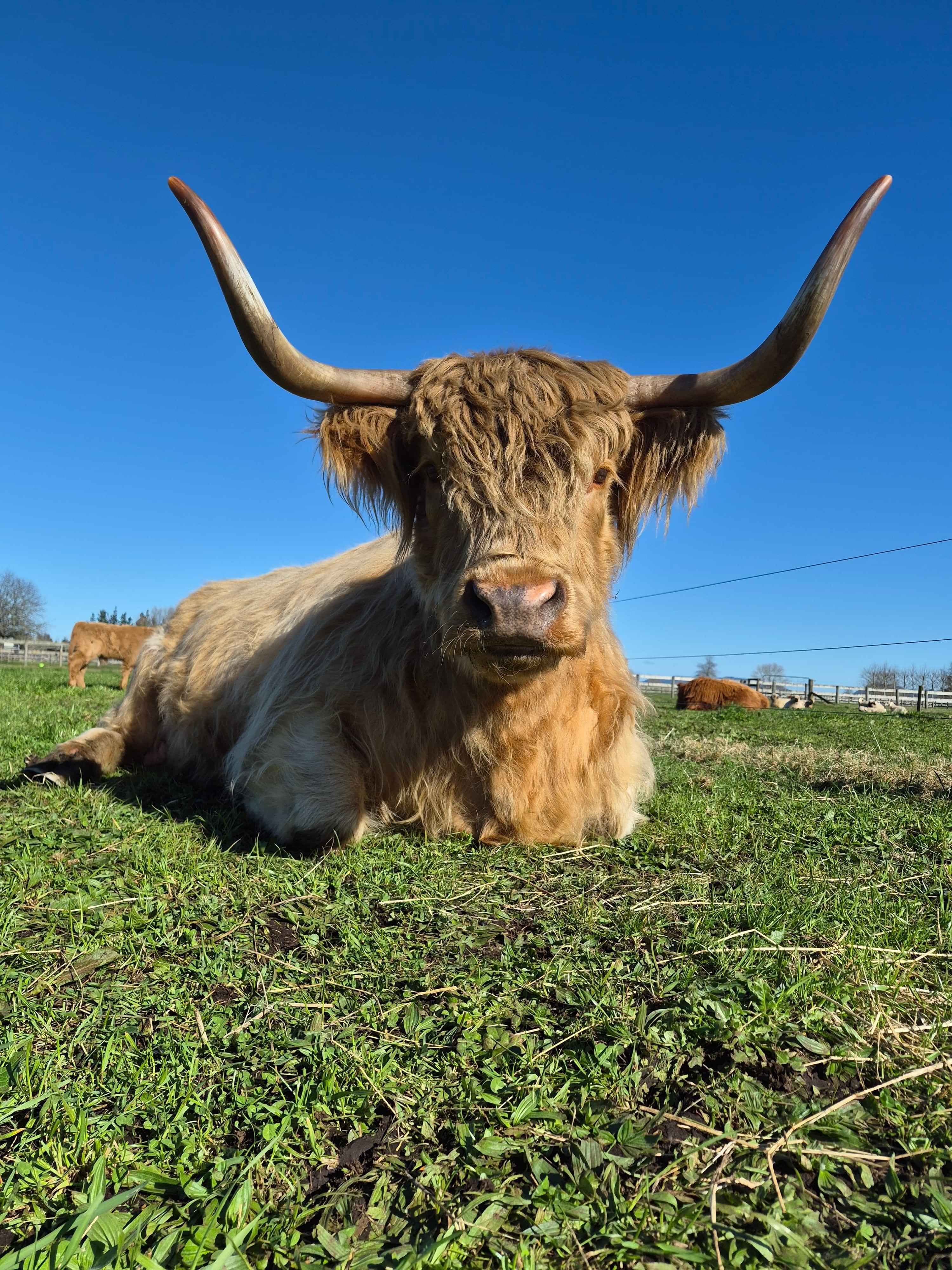
Buttercup
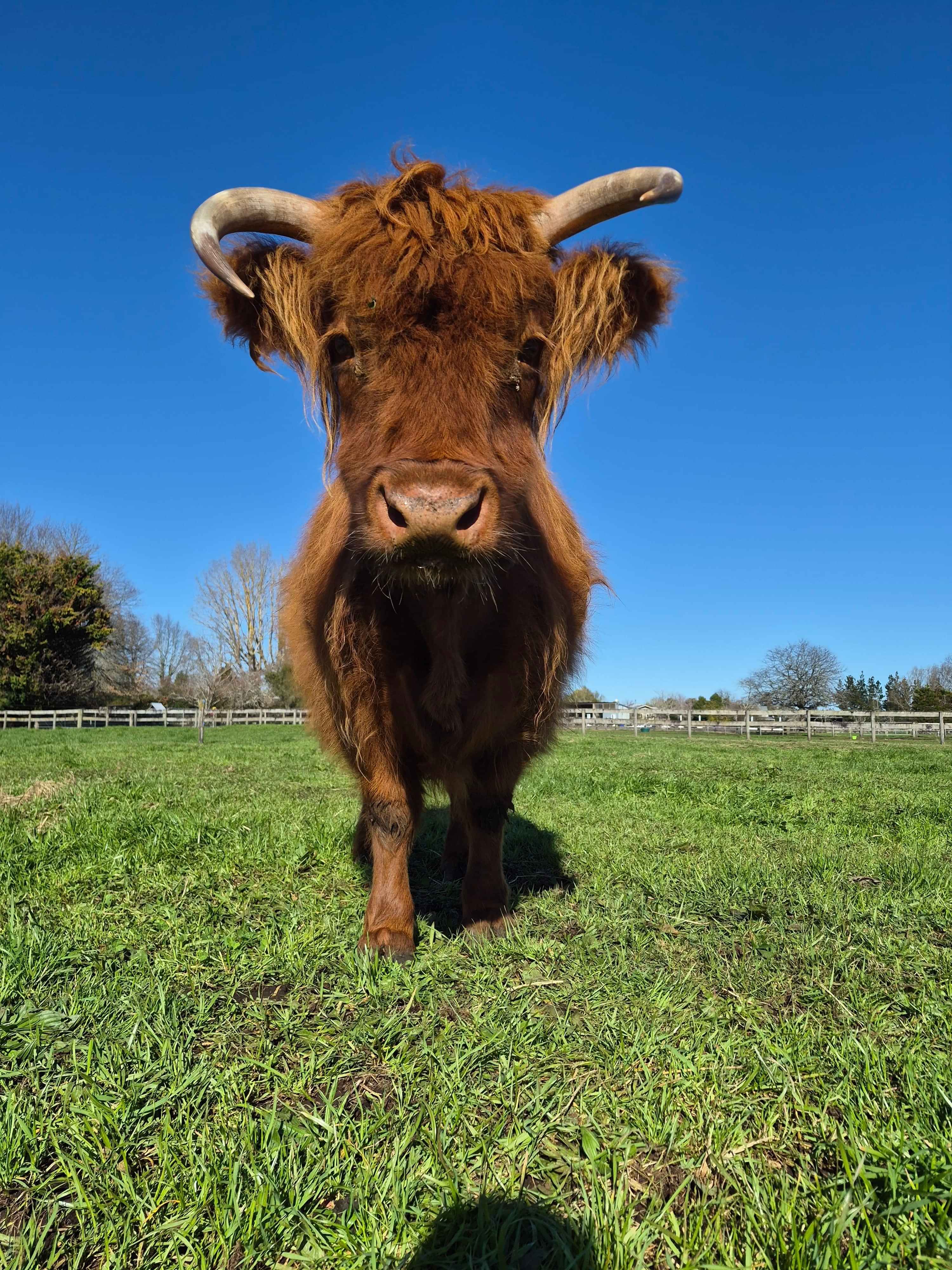
Peanut
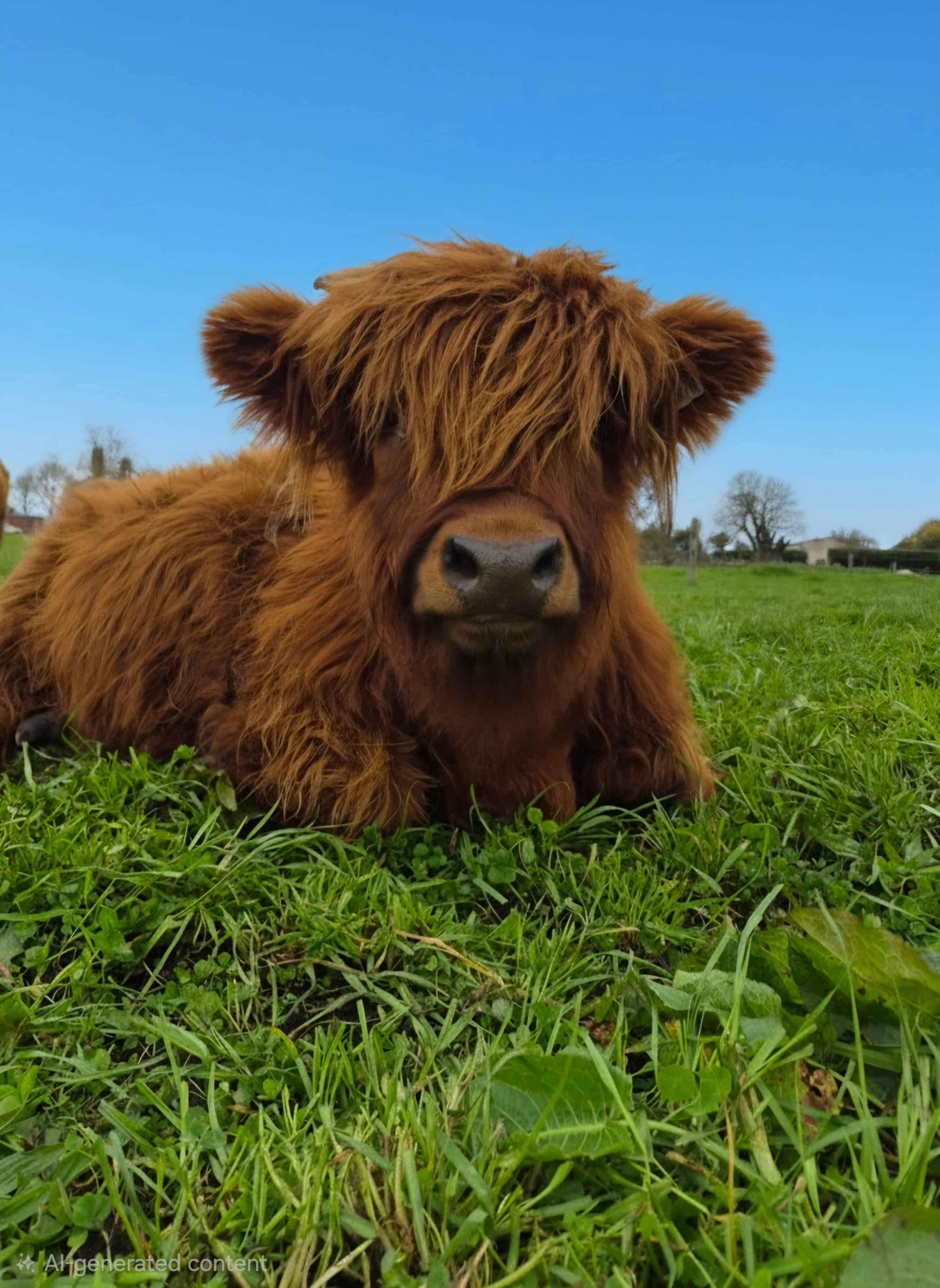
Margot
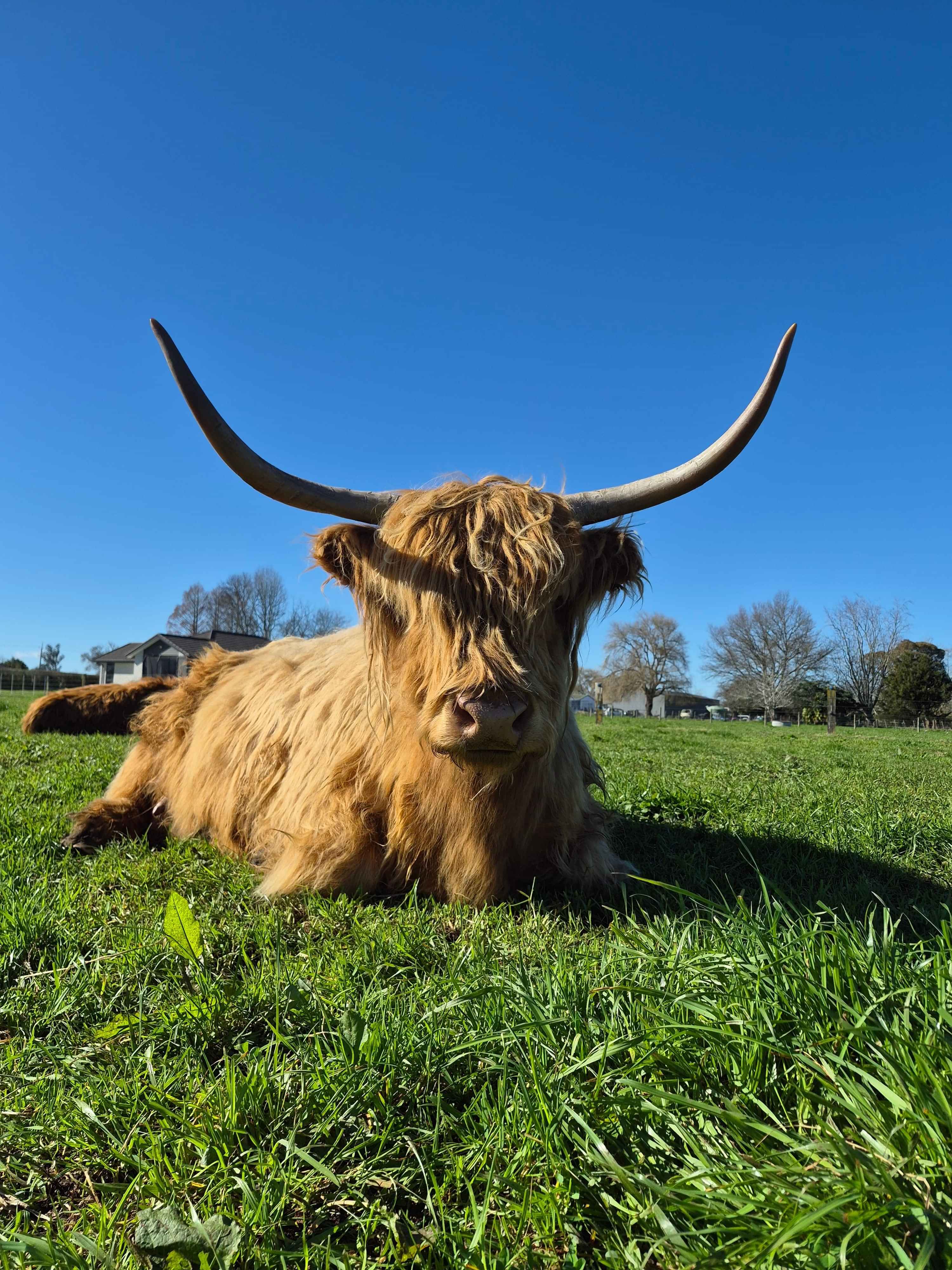
Nikki
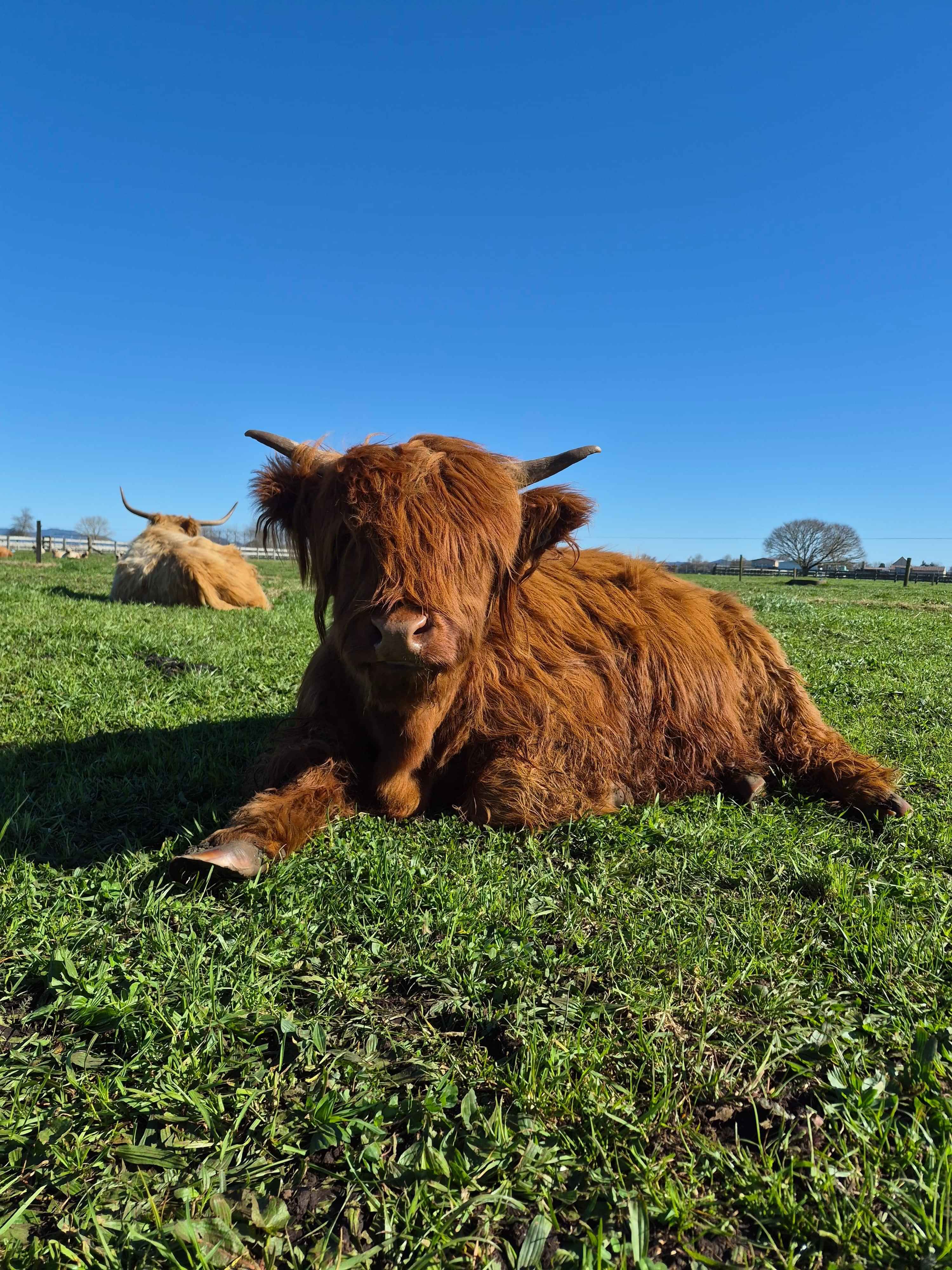
Delilah
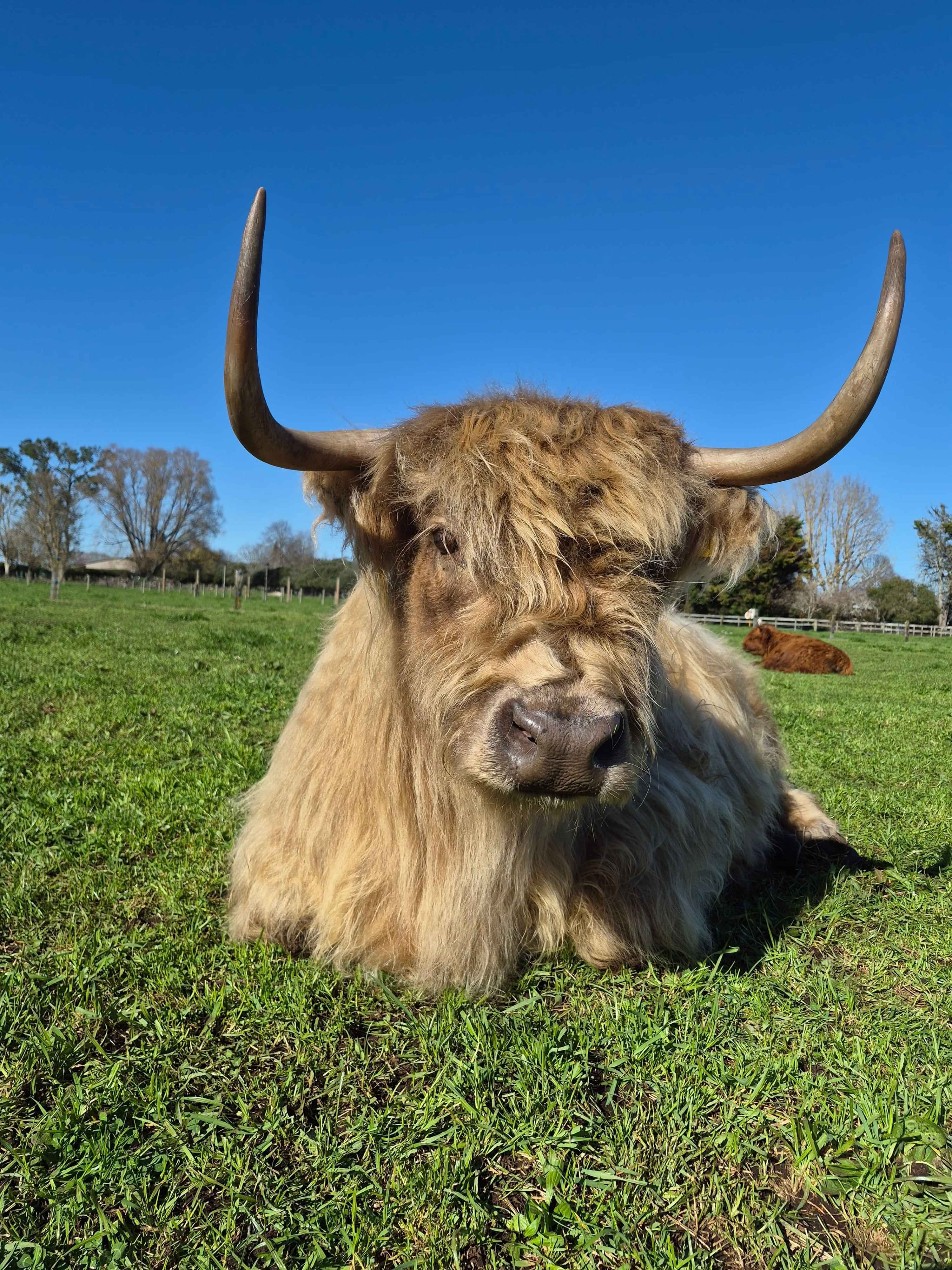
Briar
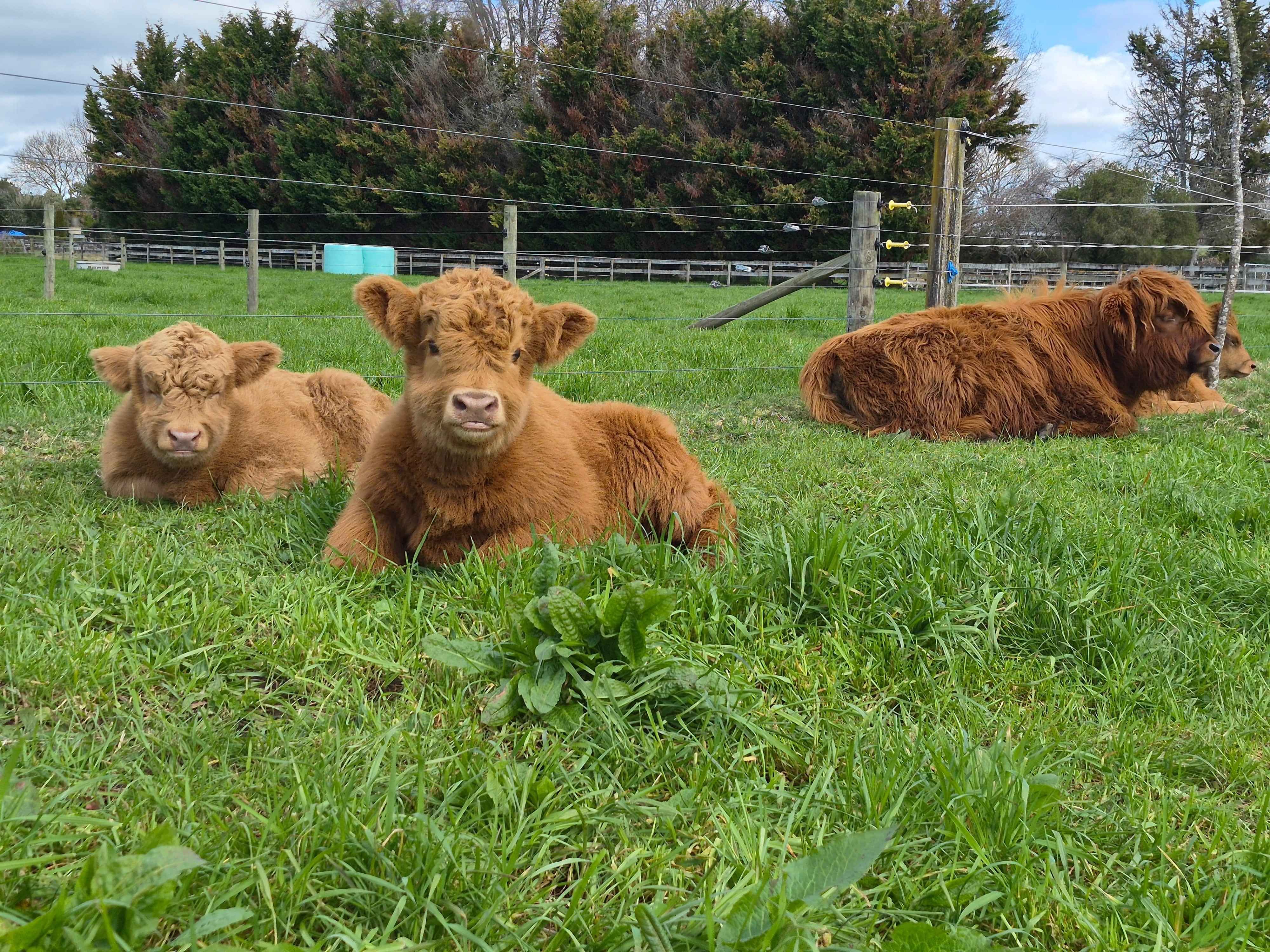
Calves
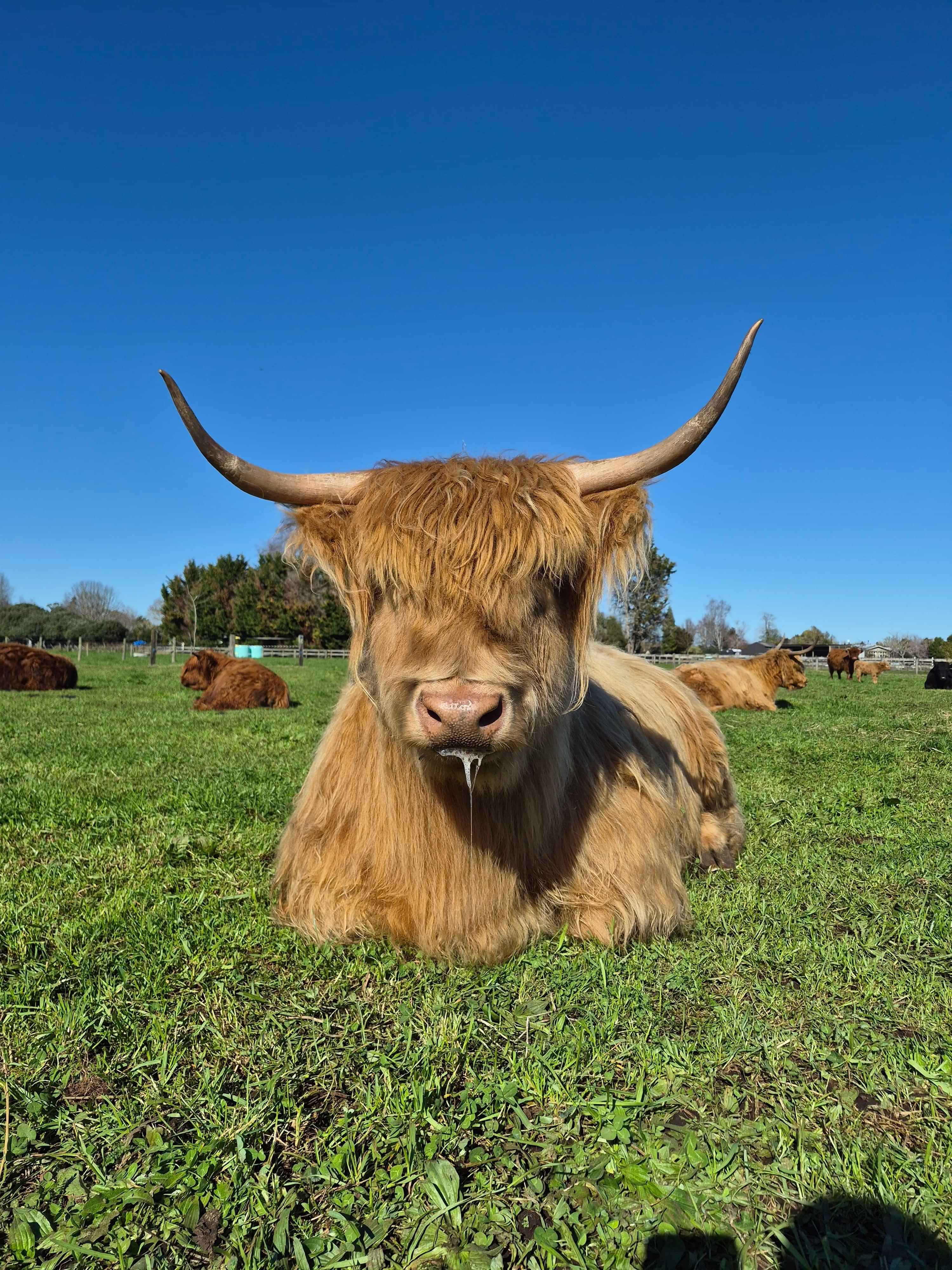
Aurora
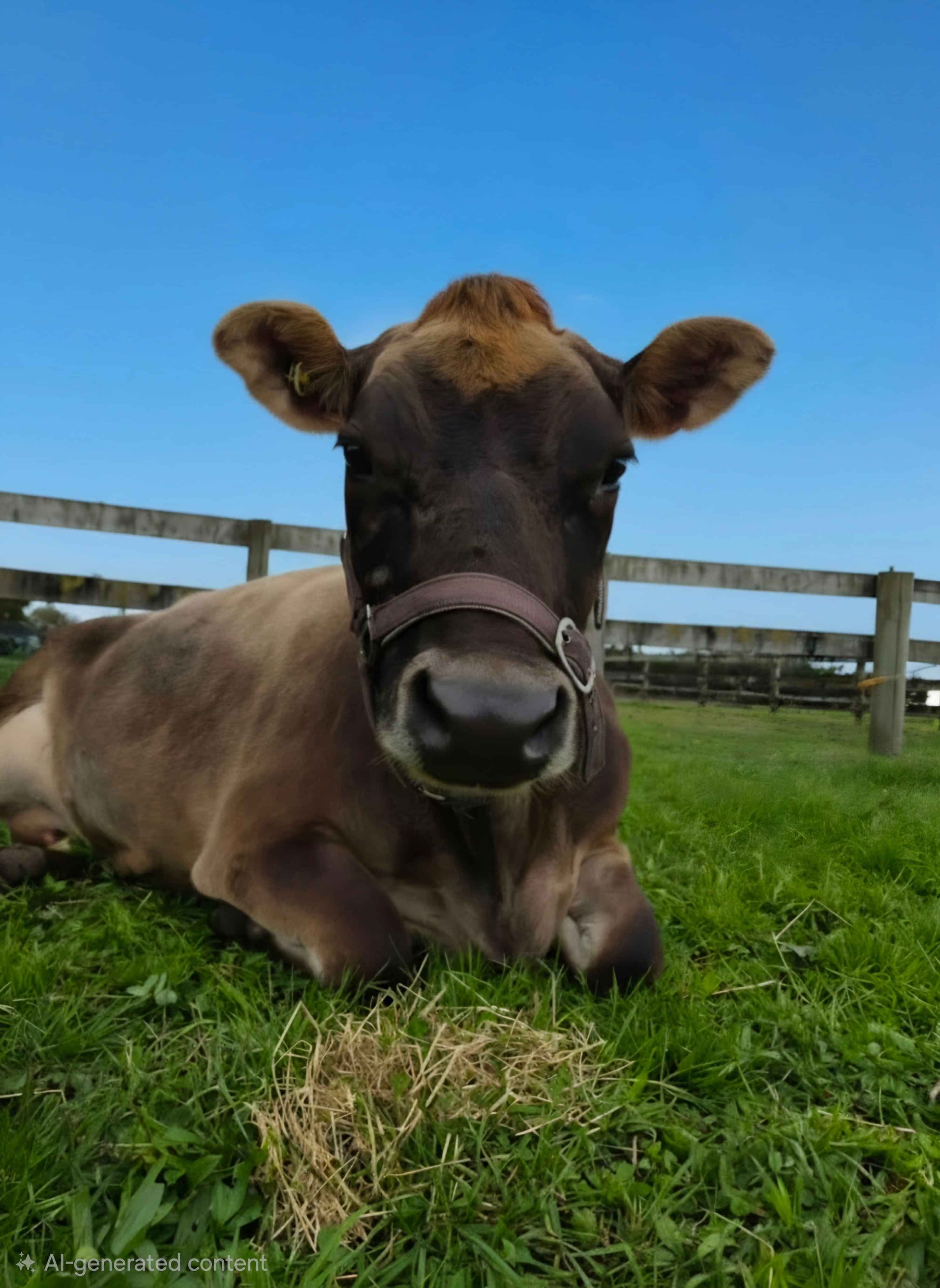
Daisy