Highland Cattle
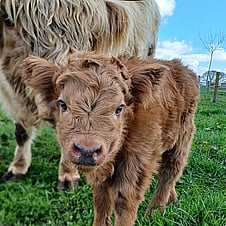
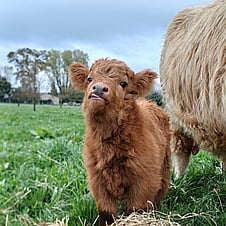
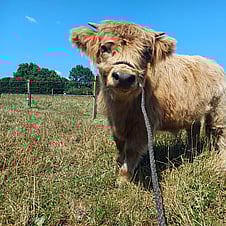
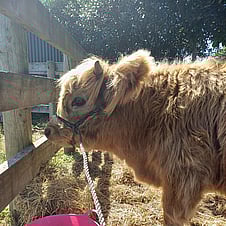
Miniature Highlands are a delightful breed of cattle that have gained popularity for their friendly disposition and distinctive appearance. Originating from Scotland, these small but sturdy animals are well-suited for a variety of farming settings, including small-scale and family farms.
Key Features:
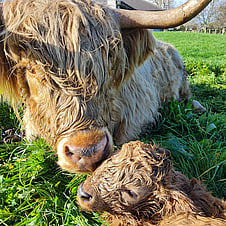
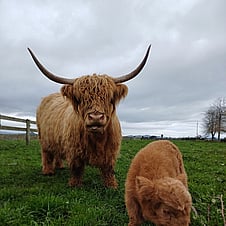
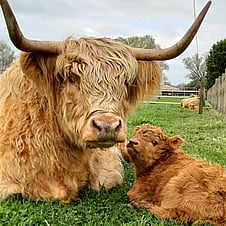
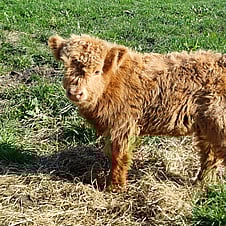
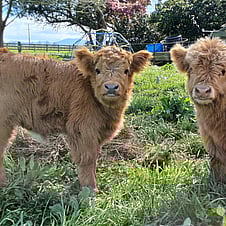
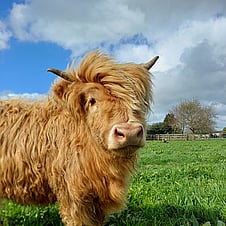
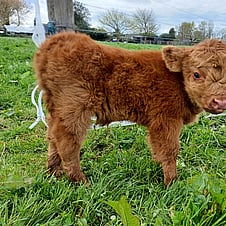
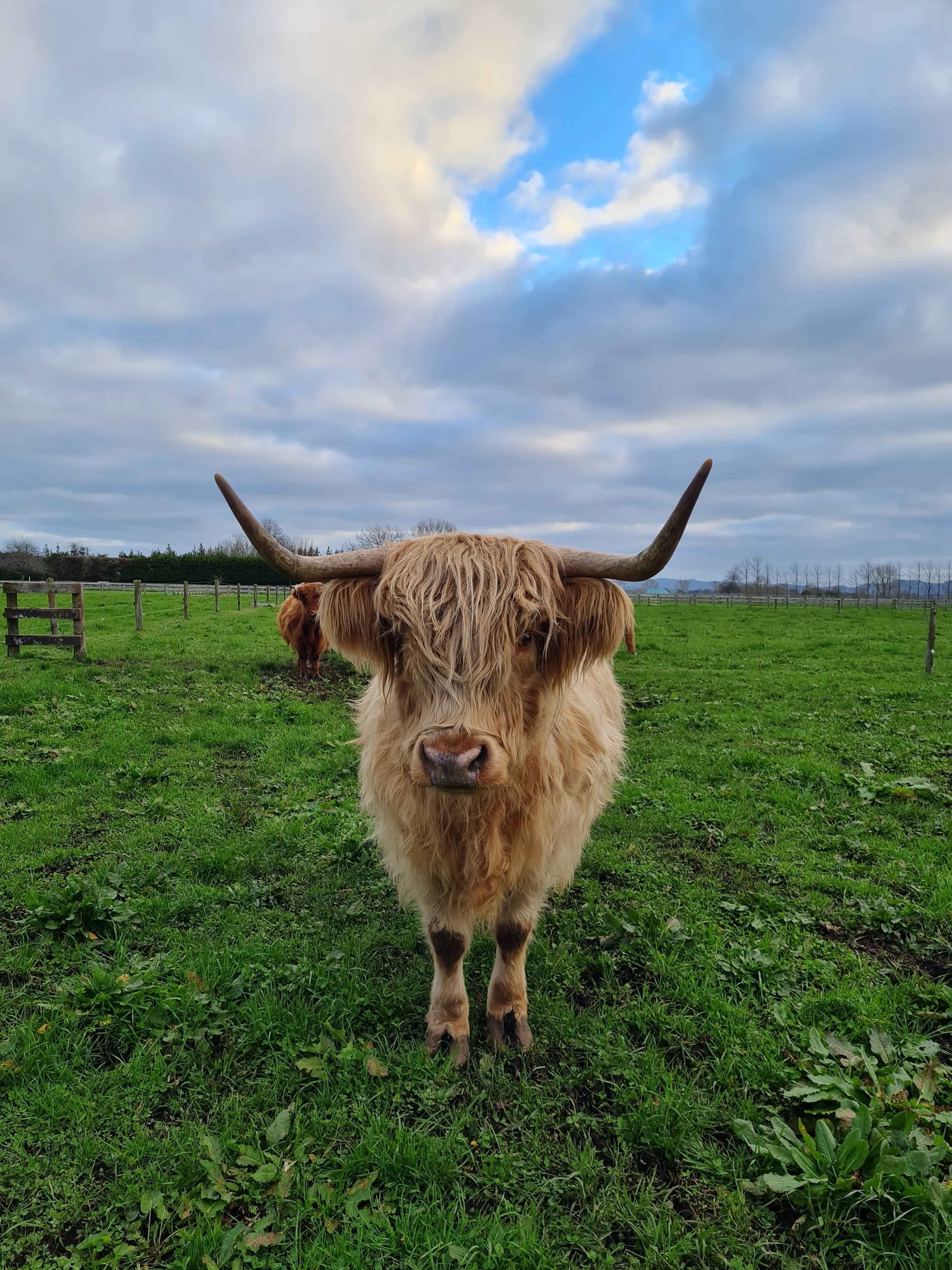
Appearance: Miniature Highlands are characterized by their long, wavy coats, which can be a range of colors, including black, red, and brindle. Their long horns and shaggy fur give them a unique and endearing look.
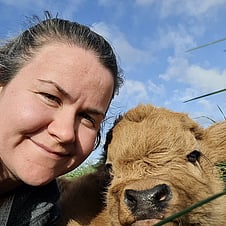
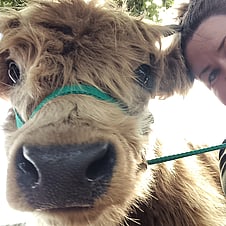
Temperament: Known for their gentle and calm demeanor, Miniature Highlands are friendly and easy to handle, making them great companions and suitable for families.
Size: As the name suggests, they are smaller than traditional Highlands, making them more manageable for smaller properties and easier for visitors to interact with.
Breeding in New Zealand:
Adaptability: These cattle adapt well to various grazing conditions and climates, thriving on pasture and benefiting from New Zealand’s rich agricultural landscape.
Low Maintenance: Their hardy nature means they are generally low-maintenance, requiring less intensive care than some other breeds.
Overall, Miniature Highlands not only enhance the aesthetic of any farm but also offer a friendly and engaging experience for visitors. Their charm and approachable nature make them a beloved choice for those looking to connect with livestock!
Waiting list coming soon
Book a pre adoptions visit with us, and if you buy from us we will credit your booking off your calf purchase.
About Ralph Ranch Calves
Breeding
We have 10 years experience with Highland cows and 20years with cattle.
Our cows are non chondro and measure around 110cm
Our bull is Chondro Positive (dwarf gene) measuring at 105cm.
We expect 50% chondro to non chondro meaning half and half miniature (>107cm) and mid-sized (108 to 115cm)
We can provide bloodline details on our cattle.
Training
Small herd on a home farm so they are handled almost daily
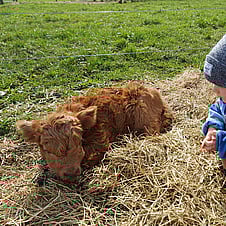
Calves participate in farm tours so become well versed in being around a variety of people
From 3 months we start halter training which focus's on stand tied for brushing and basic leading
From weaning we solidify their paddock trained to ensure they come for treat buckets and can be patted in the opening paddock.
Our calves on on their mums for 6 months which helps to create wonderful temperament, the training that we humans just can't compete with, where they learn to be calm and respectful of humans and other cattle
Support
Half day hand of training - get hands on with their training so the transition is smooth
Settling in remote support - we ensure we are available over the first few weeks for quick responses of any questions you have, we also welcome sending us videos of anything you need suggestions on managing.
Remote life time support - any questions we are contactable
Healthcare
Weaning at 6 months to ensure a well grown healthy calf
Chondro tested so you know what height range to expect
10n1 Vaccinated (initial and booster)
Drenching up to date
B12 injection given (Waikato soils are low in B12)
Bulls are all steered (castrated), unless secured as a bull
Agreements
All calves come with a first right of refusal to buy back if you need to sell (we would also assist with resale)
Our chondro-miniature heifers come with non-breeding contracts
Our non-chondro heifers and bulls come with a breeding support agreement to ensure correct breeding and bloodlines are managed.
Pricing
Pet Prices
Chondro Miniatures $4000+GST
Non-Chondro Mid Miniature $2500+GST
Breeding Prices
Please enquire directly
Pricing is subject to change and there is some variability based on the heights of the mothers
Buttercup
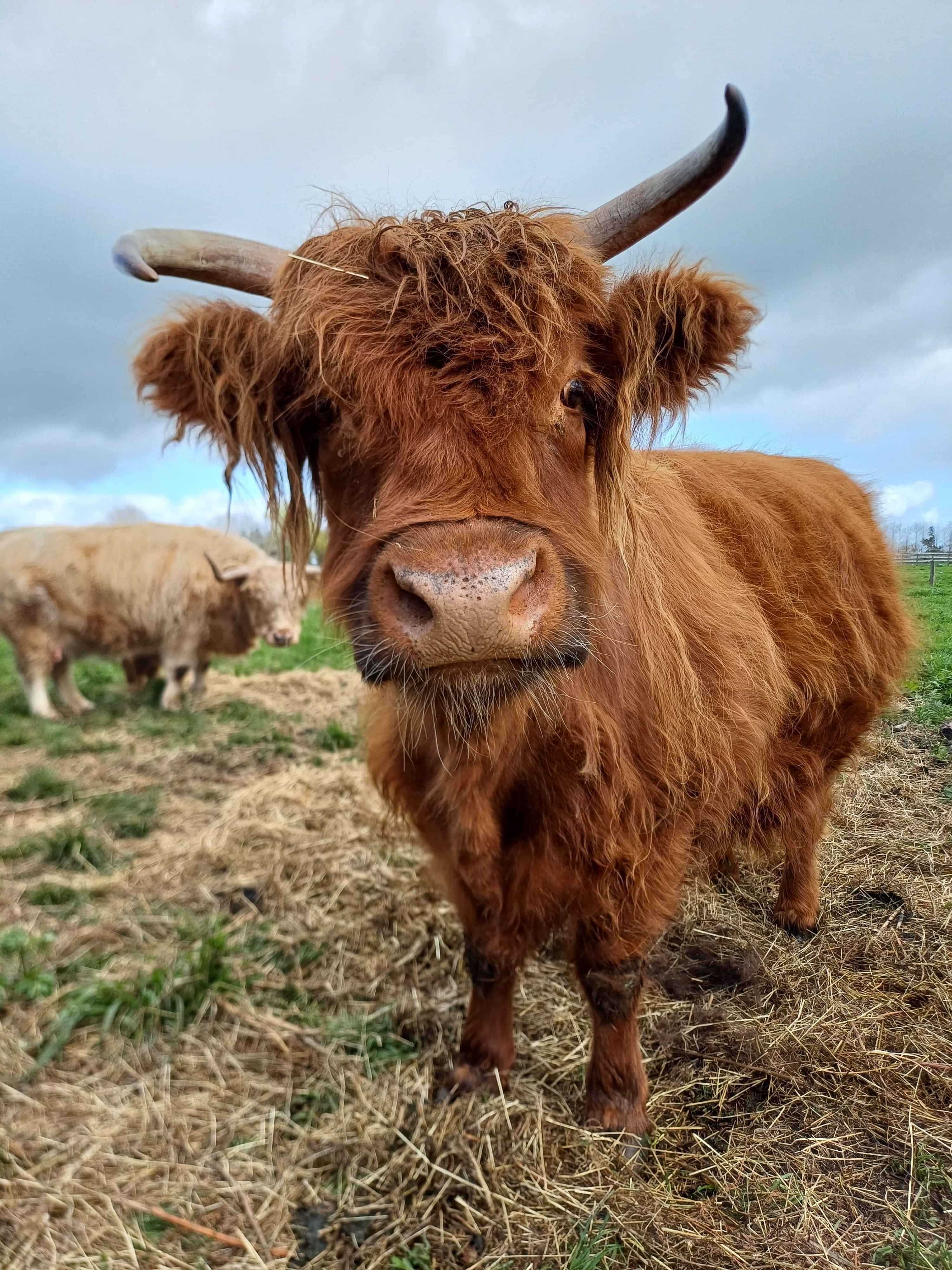
Peanut
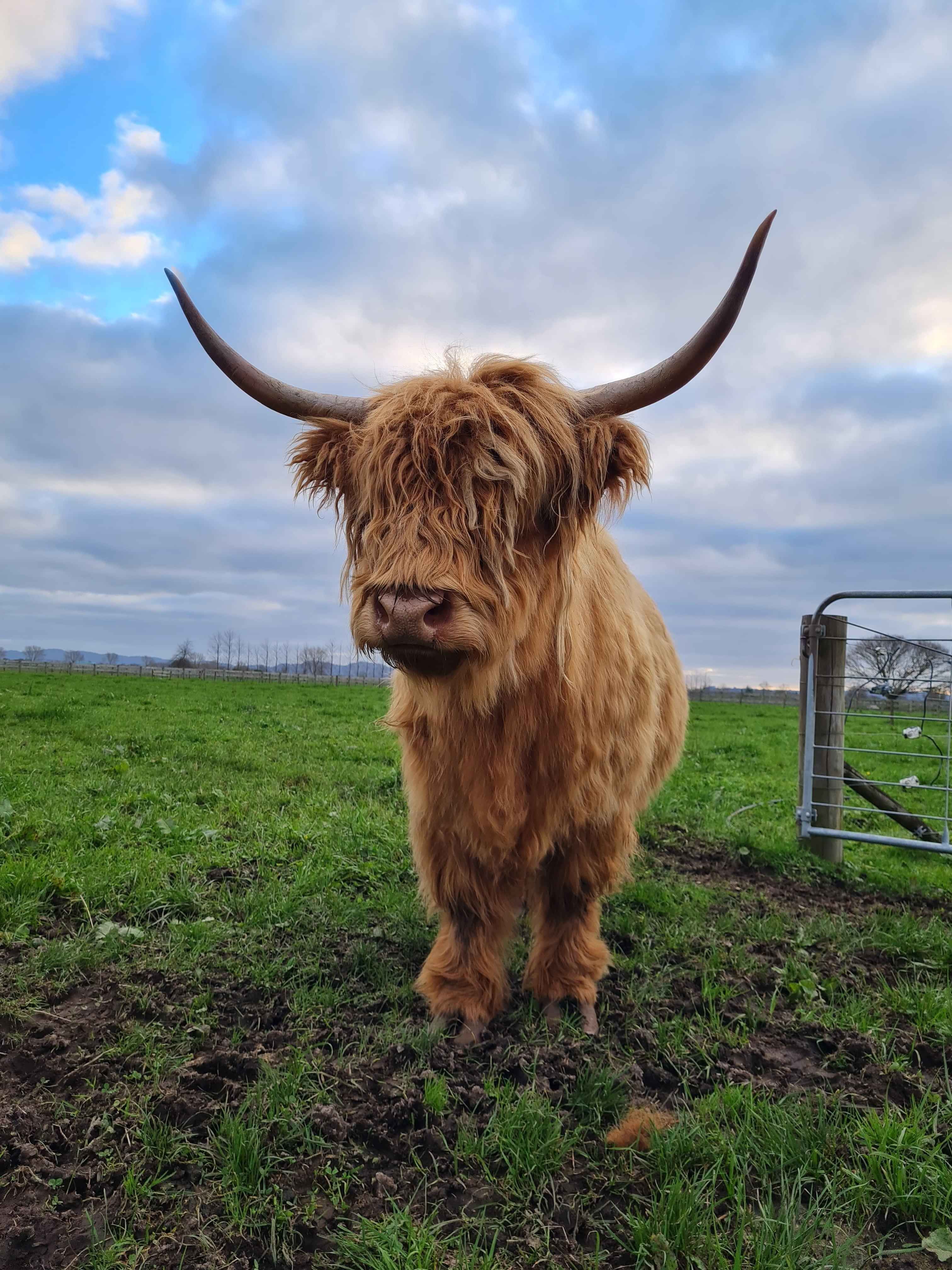
Nikki
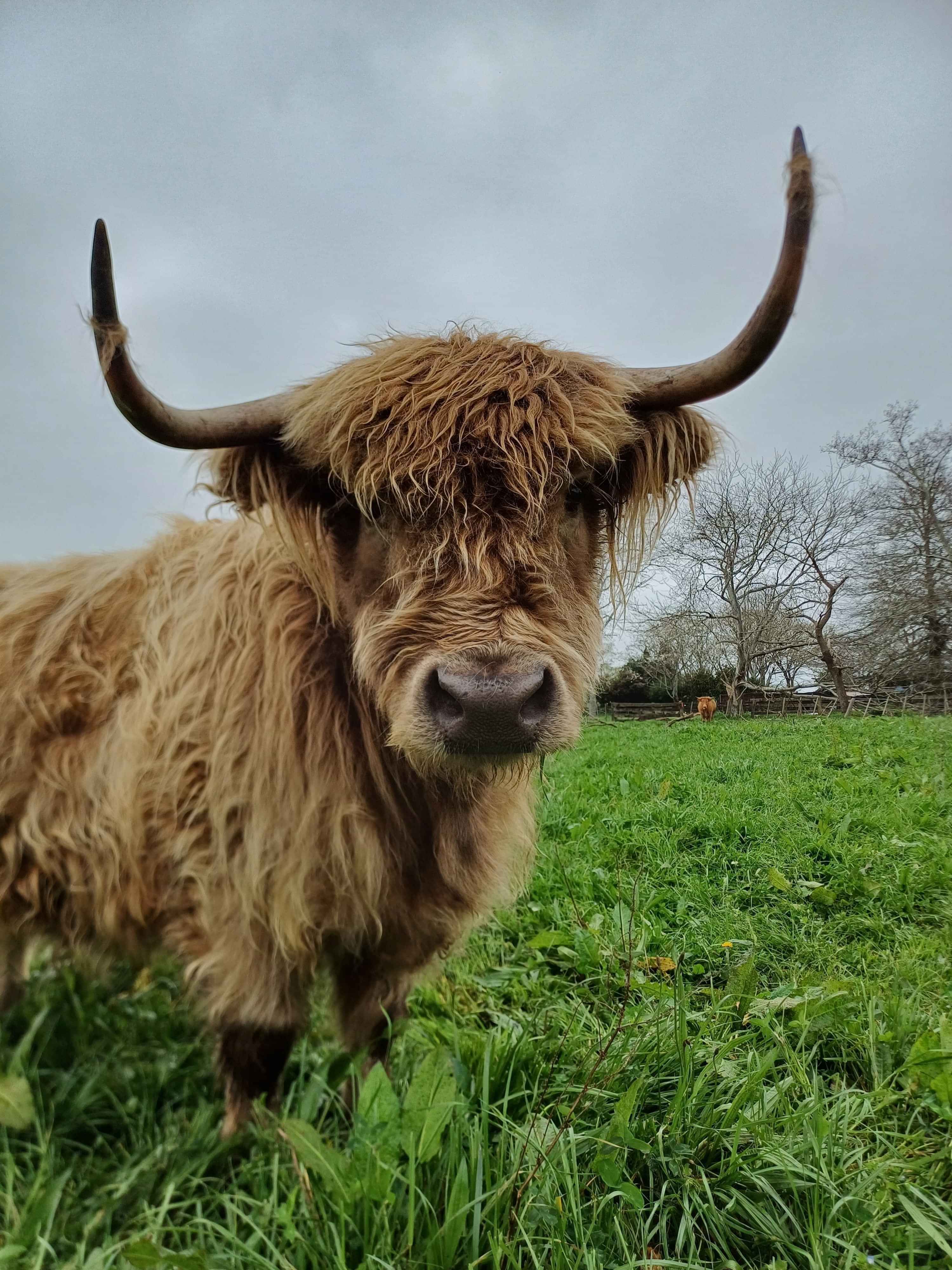
Briar
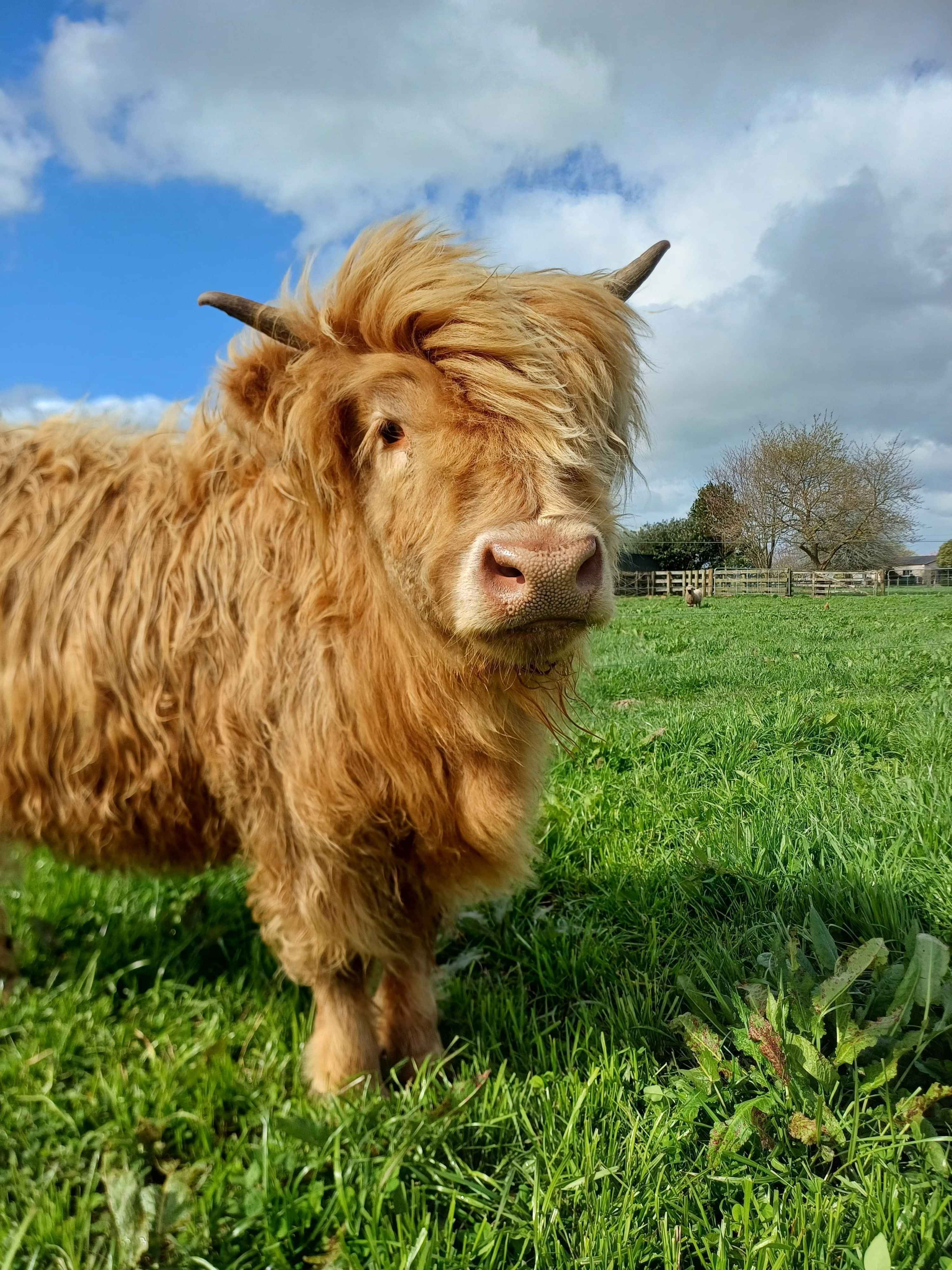
Aurora
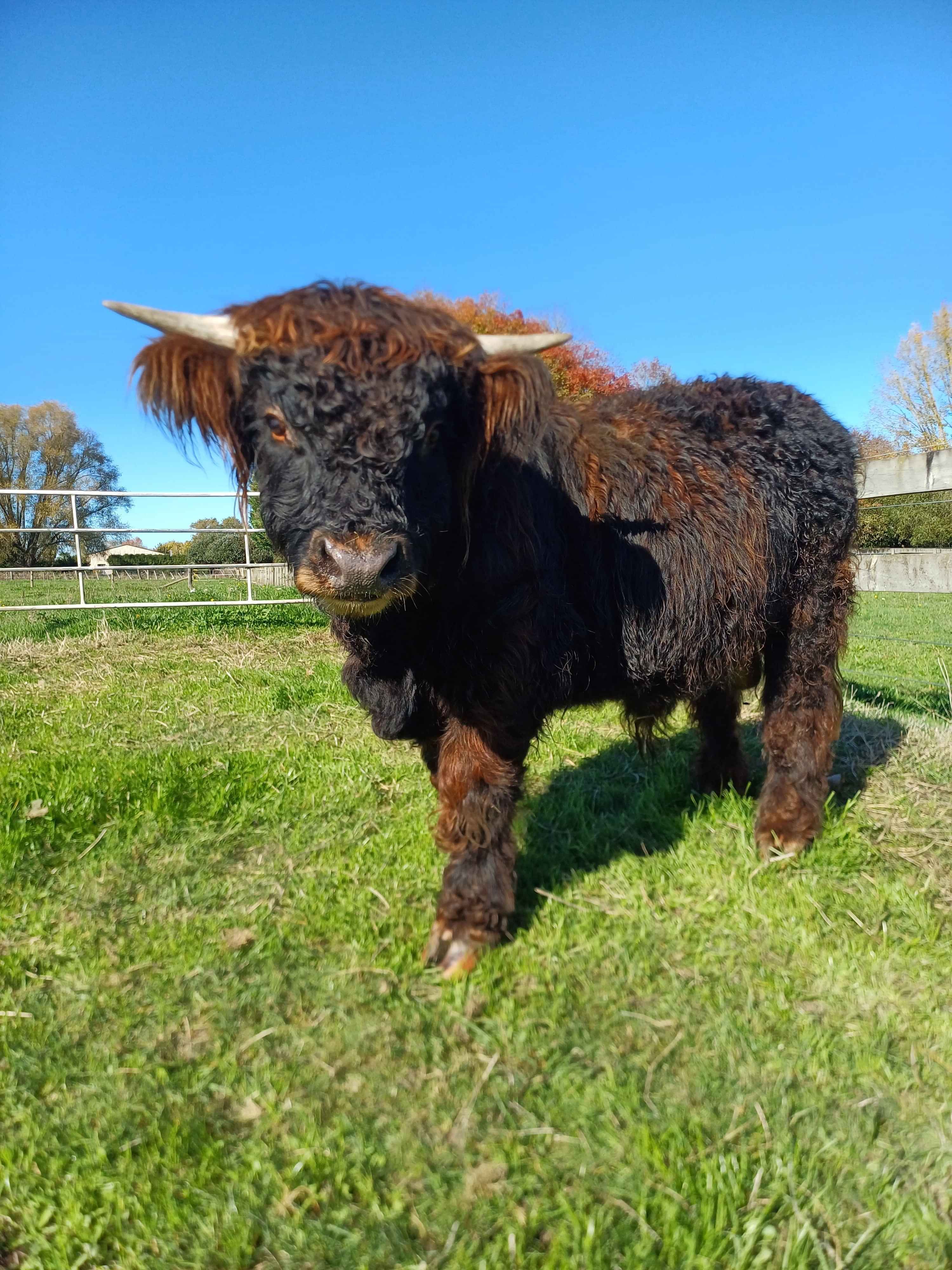
Tadhg
Your Questions Answered
What height do your calves grow to
Our chondro carrier calves are expected to stay under 107cm (the height guideline for miniature highlands, and our non chondro calves are considered mid miniature or we call them standard height, these are estimated between 108 to 120cm. We do our best to estimate sizes and variations based off parent sizes (see their profiles) and past calves height check ins. There will always be natural variation but we do our best.
What is Chondro and non-chondro?
Chondro is a gene that is a type of dwarfism which reduces the mature height by give or take 5cm giving the stocky looking stout bodies. Our bull is a carrier of the Chondro gene where all our cows are non carriers. This our chosen method of breeding with the risk of bulldogism when two copies of the gene are presented.
How much land does a miniature highland need?
Enter your content...
What facilities are recommended to have?
Yards/Race; while you may not need this often you will need it if they ever need a vet or if they need more hands on routine care e.g. hoof trimming, b12 etc
What are some key difference between highlands and other cows
Shaggy coats
Massive horns
Thicker leather skin to regular cows
Horns are used for heat regulation
They take 3 years to reach maturity (standard cow 2yrs)
Though not always, it is not uncommon for heifers to not cycle until 18 months
Do we sell bottle fed calves
The short answer is no. The long answer is highlands do better when raised on their mothers due to the slower maturity of highlands they just need alot more high quality nutrition to thrive. There is also fundamental learning they get from their mothers which teaches them to have alot more respect for humans.
What routine healthcare do they need?
Enter your content...